
A transportable home can feel like a cost-effective way to add living space without a full build on site. Still, the hidden costs of a transportable home often sit outside the home price, and they can catch you off guard if you do not plan early.
To help you budget with confidence, we have set out the extra costs people miss most, plus a simple way to think through access, services, and council steps before you commit.
Transport Costs
Your home needs to travel from our yard to your site, and the price depends on the distance and access. Even if the route looks simple on a map, small details can raise costs. For example, narrow driveways, tight turns, soft ground after rain, overhead trees, and powerlines all add complexity.
It also helps to think about what happens on delivery day. A truck, trailer, and sometimes a Hiab or crane need space to park, manoeuvre, and place the home safely. If the delivery team cannot access the final position in one clean move, extra time and equipment usually follow.
Foundations
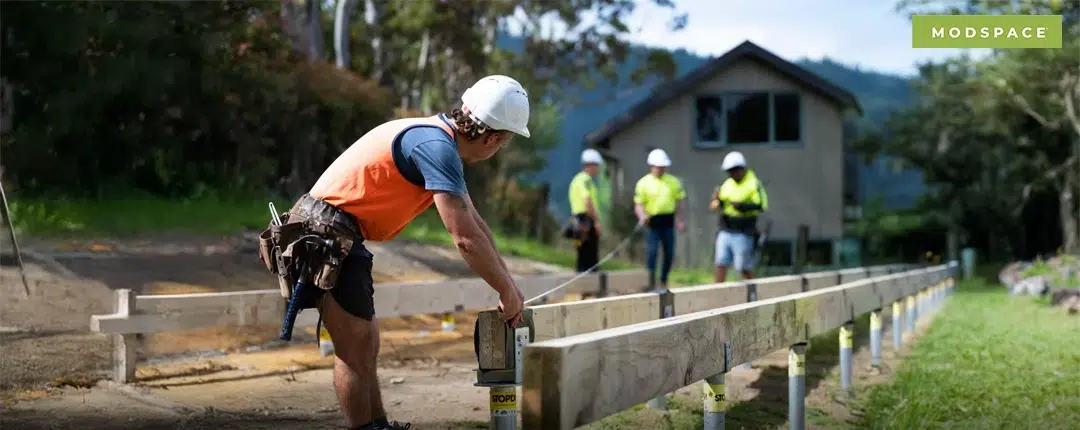
Most transportable homes sit on timber piles or steel screw piles. Your site conditions will influence what works best, and steep ground may require earthworks to level areas or create stable access. It is worth thinking about drainage at the same time, because poor runoff control can lead to damp ground around the home later.
Services and Connections
- Water: connection to town supply, or tank and pump options for rural sites.
- Wastewater: connection to mains, or checks if you plan to tie into an existing septic system. In many cases, you will need to confirm capacity before you connect.
- Stormwater: drainage solutions that suit your site and council requirements.
- Power and communications: a new connection, cable trenching, and internet options if you are off the main network. Some sites also need upgrades at the boundary or switchboard.
These costs depend on distance. A long trench across a driveway can also add reinstatement costs, not just the connection itself.
Site Works And Practical Build Items
- Foundations: piles or screw piles, plus any site levelling that the slope demands.
- Access for delivery: driveway width, turning space, and overhead clearance for trees and lines.
- Decking and stairs: these sit outside the home, yet most people want them from day one.
- Drainage and finishing: gravel pads, minor retaining walls, runoff control, and site tidy-up after trenching.
Paperwork and Reports
Council fees can vary, and some projects need engineering input, such as a geotech or site suitability report. It is easier to plan for these when you treat them as part of the project from the start, not as a late add-on.
- Building and Resource Consent Applications: Hiring Modspace to navigate the complex consenting process can save time and reduce the risk of delays.
- Design: You’ll need a site plan drawn for your building consent application. Modspace has designers in-house who can complete this for you.
- Council Fees: Obtaining building and resource consents involves fees that can vary depending on the complexity of the project and local council regulations.
- Engineering Reports: In some cases, you may need a Geotech or Site Suitability report from an engineer.
How To Lessen Costs for Transportable Homes

Modspace is dedicated to providing homes that don’t just look good but are also designed for long-term sustainability.
Energy-efficient solutions to consider
- Solar power systems: Installing solar panels during the build can offset electricity costs over time, especially if your home is in a sunny area. If you are off the grid, this can be a game-changer. We can integrate solar solutions into your design, whether it’s a small system for lighting and appliances or a larger one that powers the entire home.
- Insulation: Good insulation in your walls, floors, and ceilings can cut heating costs a lot. In colder areas, it helps keep your home warm in winter without needing to use heaters as much.
- Rainwater harvesting: If you’re building in a rural area or away from the main water supply, collecting rainwater is both eco-friendly and useful. Modspace can help you set up a system to provide clean water for your home, so you depend less on town water.
- LED lighting and energy-efficient appliances: These simple upgrades can make a big difference to your power bills. Modspace homes include energy-saving lights and appliances, so every detail helps with sustainability.
Why Sustainability Matters Now
Energy costs are going up, and more New Zealanders are thinking about their carbon footprint. By adding energy-efficient features to your transportable home from the beginning, you could save hundreds each year on power bills. Sustainable homes are also in demand, which can mean a better resale value later.
How we help at Modspace
At Modspace, we offer energy-efficient design options that are affordable. We help you build a home that fits your needs and supports your environmental goals. Whether you want a solar-powered home or just better insulation, we’ll guide you to practical, budget-friendly solutions.
How We Help At Modspace
We support you through the planning stage so you can move forward with fewer surprises. During a project consultation, we talk through your site, access, services, and likely council steps. Our designers can prepare the plans and documentation needed for consent, and we can guide you through the process, through to inspection steps and final handover.
If you prefer to meet in person, we can arrange showhome tours in Oromahoe (Northland) and Levin (Manawatu and Wellington). We also offer video consultations if you are outside these areas.
Want A Clearer Total Project Cost?
If you want a realistic view of your full budget, we can provide a ballpark estimate that covers the add-ons above, not just the home itself. That way, you can plan the project from start to finish with fewer unexpected costs.
When you are ready, book a project consultation with Modspace, and we will talk through your site, your goals, and the best next step.
FAQs About Transportable Homes in NZ
How much does a transportable home cost in NZ?
There is no single transportable house price, because the cost depends on the home design and all site costs. You also need to budget for transport, foundations, service connections, consents and extras like decks and stairs.
Modspace can give a ballpark estimate for all of these when you ask about transportable homes NZ prices.
How much does it cost to move a transportable house?
The cost to move a transportable house depends on the distance and how easy it is to reach your site. Modspace prices transport for each project, so you get a figure that matches your actual route and access.
What hidden costs come with a transportable home?
The hidden costs of a transportable home sit mainly outside the base house price.
The guide lists four main groups:
- Transport and foundations
- Connecting water, wastewater, stormwater and power
- Building and resource consent work and council fees
- Extras such as decks and stairs
These are the items you need to add on top when you work out your full transportable home cost.
What costs are not included in the advertised price?
The advertised price of a transportable home usually does not include key site and consent costs.
Things commonly outside the sticker price are:
- Truck transport to your site
- Timber or steel screw pile foundations, plus any earthworks
- Service connections for water, wastewater, stormwater and power
- Building and resource consent applications, council fees and possible engineering reports
- Decks and stairs for outdoor living
Modspace offers a ballpark estimate for these, so you can see the true transportable house price for your project.
Are transportable homes cheaper than building on-site?
Transportable homes can be a cost-effective way to increase your living space, but only if you include all extra costs in your comparison.
Compared with building on site, you need to look at the full project cost, not just the house shell. Modspace can help you total all these items so you can see whether a transportable home costs work out better than a traditional build for your situation.
